
If you love reptiles, then having a lizard as a pet can be a great option for you. Bearded dragons or ‘beardies’ are one of the most popular lizards kept in captivity.
They are relatively easy to care for, as long as you keep them in the right conditions and environment.
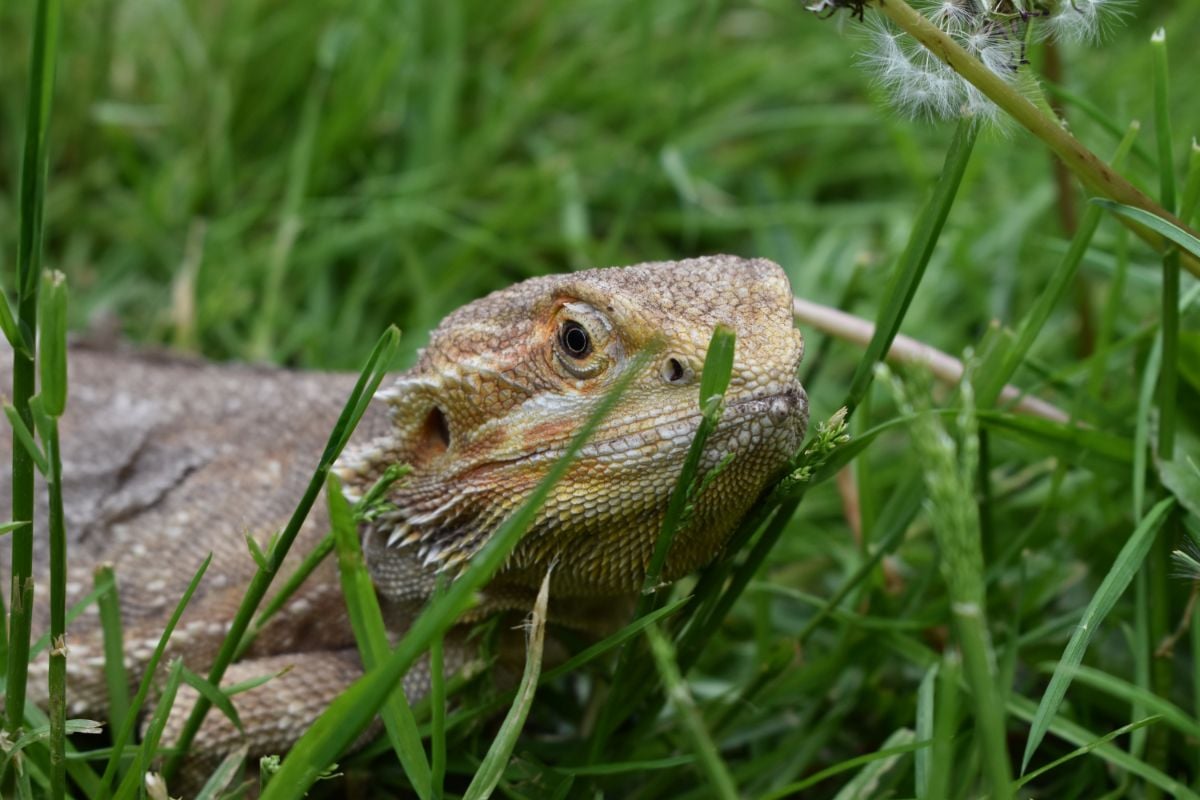
These lizards are great for beginners new to caring for reptiles (see also “Sagebrush Lizard Care Sheet“), and are generally good around humans, able to be handled and to bond with their owners .
If you’re thinking about getting a bearded dragon, then you’ll need to know how to care for one properly to ensure that they are healthy, happy, and stress free.
Check out this guide to find out all of the care requirements of a bearded dragon.
About Bearded Dragons
Bearded dragons, or inland bearded dragons are agamid lizards that are typically native to central and eastern Australia. These lizards are diurnal, meaning that they are mostly active during the day.
Because bearded dragons are diurnal, they will hunt during the day, and they are also omnivores, eating a range of foods from insects to vegetation and sometimes even smaller lizards and prey.
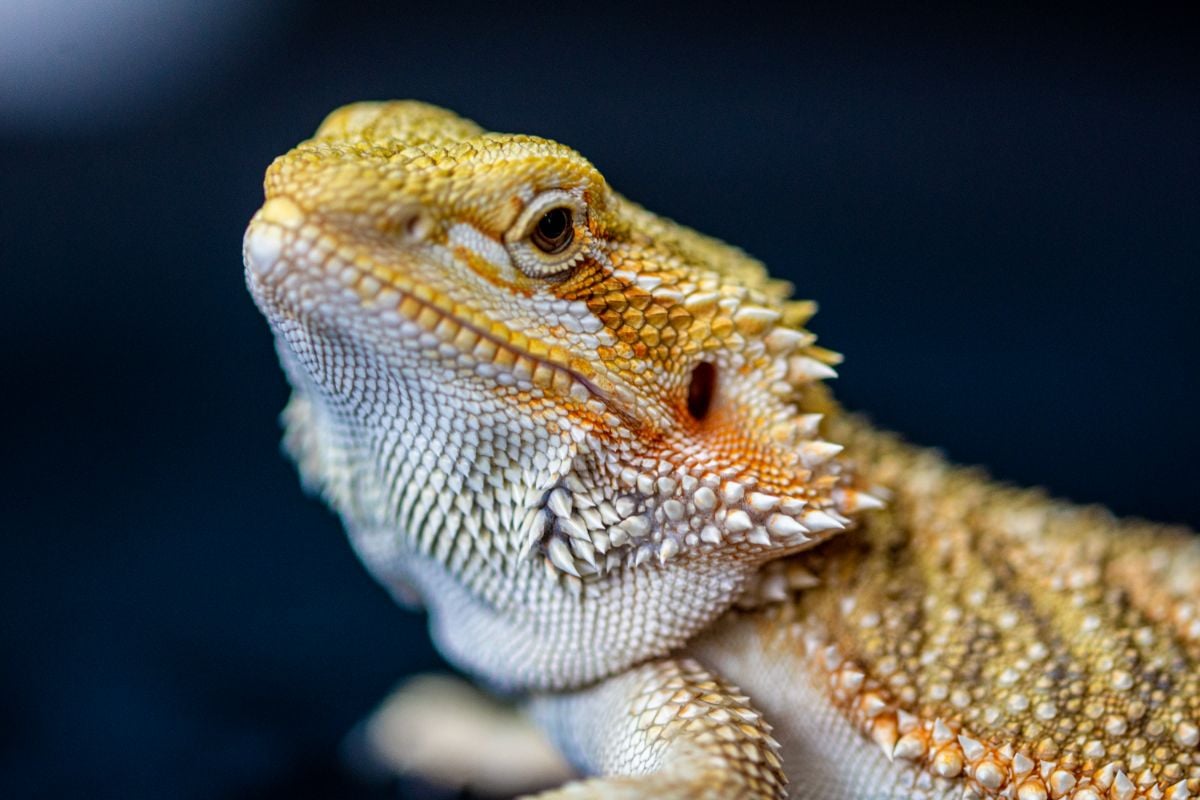
Bearded dragons will typically have a brown color, but they can be very tan with gold or red features, depending on the soil they are native to.
However, nowadays, with more and more people breeding these lizards, there are some various color morphs that you can find.
Bearded dragons love to bask in the sunlight, and will bathe on rocks, branches, and any surface they can find. While these creatures are mostly terrestrial in the wild, they have been known to burrow, and are wonderful climbers.
This is so that they can hide from predators and bad weather conditions in their natural habitat.
Bearded dragons are very intelligent, calm creatures, with lots of fun, interesting behaviors, which makes them great first reptiles to have.
With a strong sense of smell and full color vision, these animals can recognize their owners, and some have been known to bond with them, and respond to their names.
Bearded Dragon Care
Bearded dragons are great lizards to keep as pets. They are very tame, hardy, and fun to own.
You will enjoy watching them chase their prey in their enclosure, or if you have more than one lizard, then you’ll love watching them interact with one another.
They can also wave at you, which is a submissive gesture that mainly female bearded dragons do!
You can find a bearded dragon for yourself at most reptile stores, and from some breeder websites. It is recommended that you buy a captive bred bearded dragon as these are typically more acclimated to life in captivity than wild-caught species.
Lifespan
The average lifespan of a bearded dragon is around 8-10 years, but some have been known to live for up to 18 years! A bearded dragon will become sexually mature at the age of around 1-2 years old.
Size
Most bearded dragons will grow up to about 18-24 inches in size, from nose to tail, and will weigh around 10-18 oz.
Enclosure
A hatchling bearded dragon can live in a 20 gallon aquarium, but most will recommend that you keep them in a much larger enclosure. It is recommended that you have at least a 75 gallon aquarium for an adult bearded dragon.
The enclosure will need proper ventilation, and ample sunlight for basking areas. Bearded dragons also like to climb, so it is recommended that you have some branches inside of the enclosure to keep them busy.
If you are unable to provide sunlight, then you will need a UVA basking bulb. They also love lots of plants, decorations, hideaways and caves to play in.
It is also recommended that you don’t keep two adult bearded dragons together.
For instance, a male and a female should not be housed together, as they may mate, and two males should not be housed together, as they can have dominance disputes and injure one another.
The same goes for female dragons. While they can get along in some cases, they will still fight for dominance from time to time.
Lighting & Temperature
Bearded dragons prefer hotter temperatures. As a result, they will need to bask in around 100 degrees fahrenheit. The basking location will need a spotlight over a rock or branch on one side of the enclosure.
This allows them to thermoregulate, and move between the hotter and cooler sides of the tank. The cooler end can sit at about 80 degrees fahrenheit.
Therefore, you will need a UVB light over the enclosure to ensure they get enough vitamin D3 and have the right temperature. During the evening, you can keep the tank at about 65 degrees fahrenheit.
Diet
Bearded dragons are omnivores, so will need protein and vegetables to remain fit and strong.
The best veggies for a bearded dragon are kale, pea shoots, watercress, cactus pads, bok choy, arugula, mustard greens, endive, escarole, and collard greens.
Occasionally, you can feed others like basil, carnations, cilantro, cucumber, fennel, mint leaves, and parsley, but not all of the time. Avocado, mushrooms and onions are poisonous to bearded dragons, so avoid those at all costs.
When choosing protein, you should ensure that it is no larger than the space between the dragon’s eyes.
Bearded dragons can eat crickets, silkworms, snails, red runner roaches, dubia roaches, discoid roaches, and occasionally wax worms (see also “Waxworm Care Sheet“), pinky mice, butterworms and superworms as a treat.
Hatchlings should be fed insects around two times a day, along with vegetables, whereas juveniles will need insects once a day and some veggies.
Adult Bearded dragons will need insects 1-2 times a week, and vegetables daily to remain healthy.
They also need some water, so you can mist them with a spray bottle, and they’ll lick droplets off the walls, rocks and surfaces. However, they do not like wet and humid conditions, so be careful.
Add a water dish to the enclosure and keep it clean.
Substrate
Sand is a common choice for bearded dragons, but for young animals, they may ingest it which can pose a risk. So, you can use digestible reptile sand, newspaper, or reptile carpet instead for older dragons.
Do not use sand for young bearded dragons.
Handling
Bearded dragons are fairly docile, and will tolerate being handled. However, handling should be done from a younger age so that they are acclimated to it.
Final Thoughts
To summarize, Bearded dragons are fairly easy and simple to care for. With the right conditions, enclosure, diet, and enrichment, these animals can live for 10 years or longer.

This is what inspired me to start The-Lizard-Lounge.com. I wanted to create a space that offers information about the care of various reptiles and lizards, to help those passionate about these animals learn how to care for them.
Join me, and learn all about these fascinating and fantastic creatures!
- Can Leopard Geckos Eat Silkworms? - March 11, 2024
- Do Leopard Geckos Climb? - March 4, 2024
- Do Leopard Geckos Bask? The Answer Will Surprise You - February 21, 2024